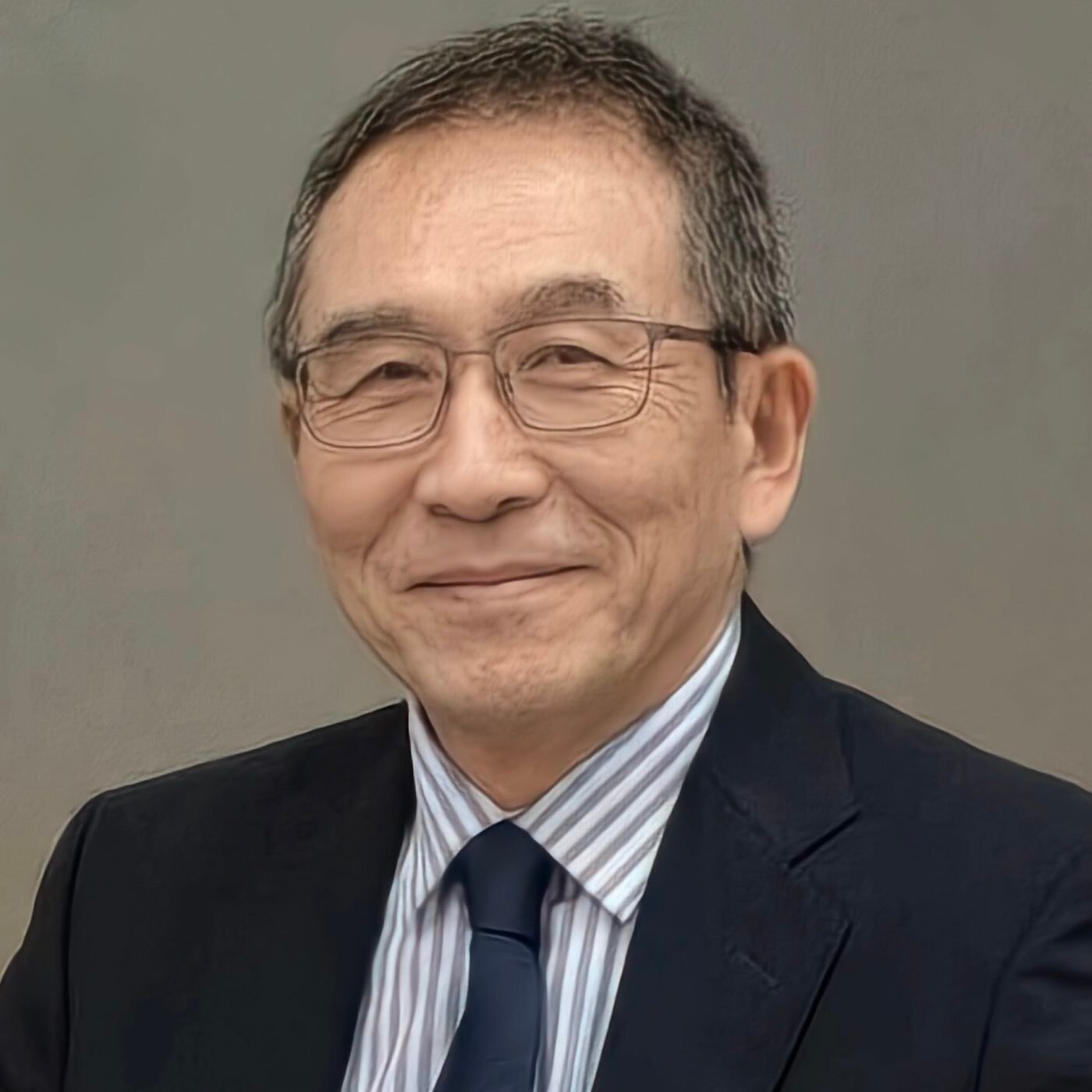
DR. KUAN-HSIUNG WANG
Dr. Kuan-Hsiung Wang received his Ph.D. in International Law from the University of Bristol, United Kingdom, in 1997. He is currently a professor at the Graduate Institute of Political Science, National Taiwan Normal University. Dr. Wang is actively engaged in maritime legal scholarship, particularly in matters related to the international law of the sea. He serves as President of the Chinese (Taiwan) Society of International Law and sits on the Board of Directors of the Association of International Relations (ROC). He is the editor of the Chinese (Taiwan) Yearbook of International Law and Affairs (English edition), the Chinese (Taiwan) Review of International and Transnational Law (Chinese edition), the Korean Journal of International and Comparative Law, the Asian Yearbook of International Law, and the Asia-Pacific Journal of Ocean Law and Policy. His teaching and research interests center on public international law, the law of the sea, maritime disputes in the East and South China Seas, and marine policy. Within these domains, he emphasizes the sustainable utilization of fishery resources and explores the feasibility of dispute resolution through joint development mechanisms. Dr. Wang has held visiting scholar appointments at the Schulich School of Law, Dalhousie University, Canada (2007), and the Australian National Centre for Ocean Resources and Security (ANCORS), University of Wollongong, Australia (2013). His research has been published in several esteemed academic journals, including Ocean Development and International Law, Pacific Review, and others.
Created by:
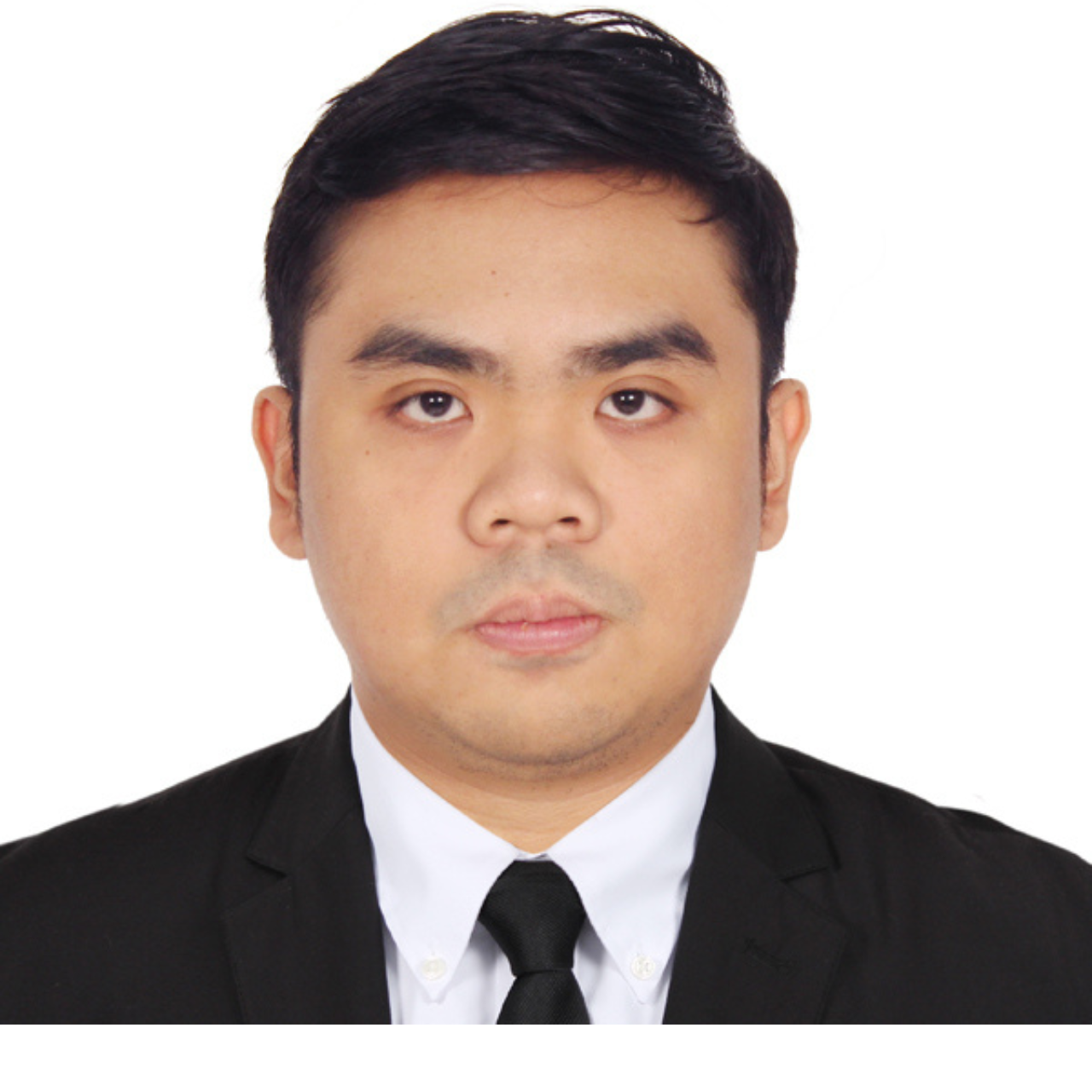
ROBERT FALLAR
Mr. Robert Fallar is a lawyer practicing labor, criminal, and administrative law. He previously worked as a research analyst for the Philippine Coast Guard and was a student Research Assistant at the UP Institute for Maritime Affairs and Law of the Sea. He earned an undergraduate degree in AB Diplomacy and International Relations from Ateneo de Manila University, a J.D. from the University of the Philippines Diliman, and passed the 2025 Bar Examinations.
Created by:
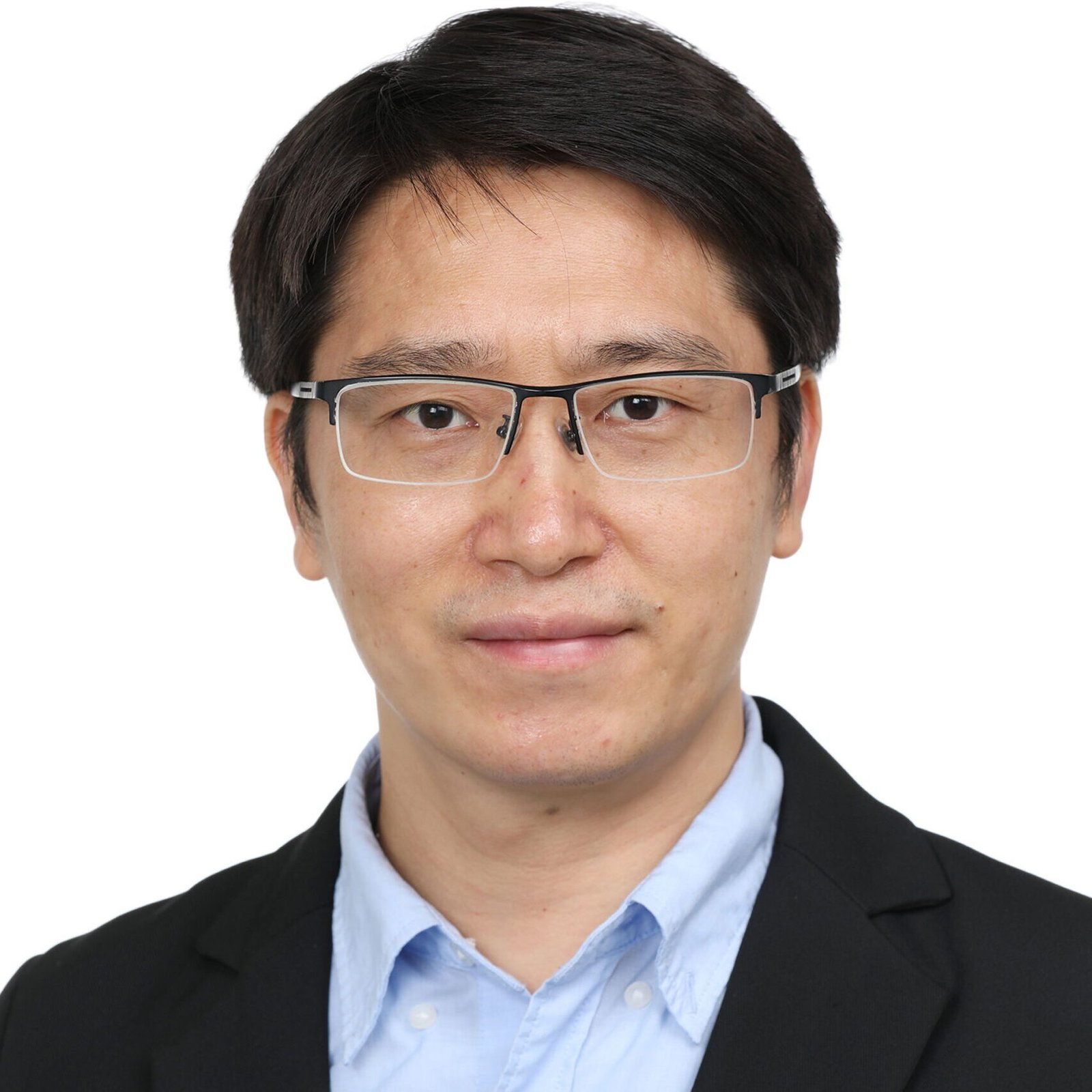
DR. JI MIAO
Dr. Miao Ji is Associate professor from the Institute of Asian Studies, China Foreign Affairs University. He also serves as research fellow of the China National Collaborative Innovation Center for Territorial Sovereignty and Maritime Rights. He holds a doctor’s degree in law from School of International Studies, Renmin University of China and political science from Graduate School of Asia-Pacific Studies, Waseda University, Japan. His research focuses on Japan politics and foreign policy, Asian regionalism and international relations of the Indo-Pacific. He was academic associate with the Weahterhead Center for International Affairs, Harvard University 2022-2023 and Wang Gungwu visiting fellow at ISEAS-Yusof Ishak Institute 2025.
Created by:
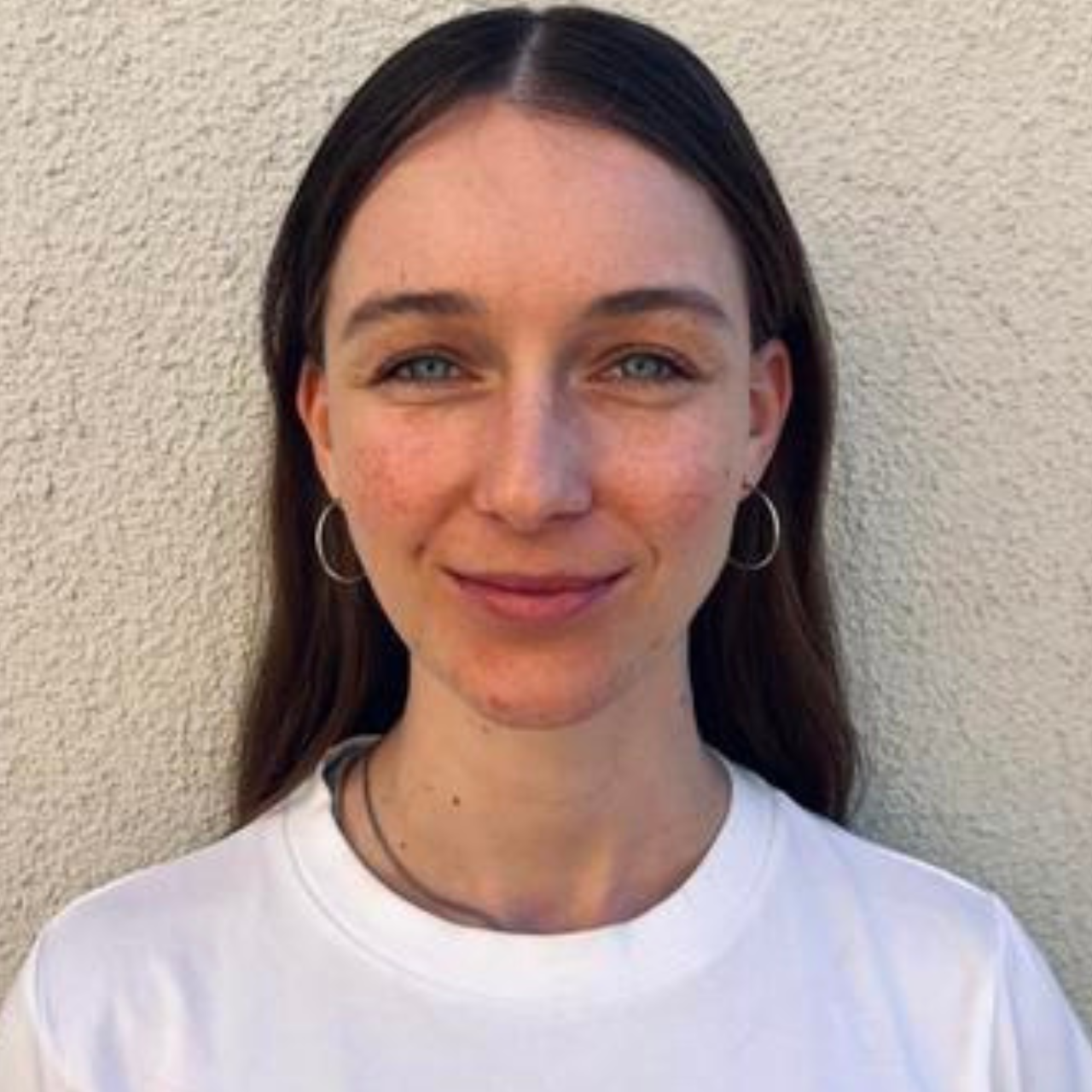
INDIGO ATKINSON
As an emerging researcher and policy professional with forthcoming publications on the maritime governance and security dynamics of the South China Sea, Indigo examines how shifting state identities constrain and enable regional security complexes. Her career began on commercial fishing vessels in Australia and Aotearoa New Zealand, and she retains a particular interest in transboundary fisheries and the regional governance mechanisms and negotiations that shape the management of Indo-Pacific fisheries. In parallel, Indigo has held the role of COO and CEO of an NGO called Global Voices. In these roles, she trained outstanding young Australians in policy and diplomacy through the Global Voices flagship policy fellowship. Global Voices sends young Australians to international multilateral fora such as Globsec, the climate COPs, the Y20 and the UNGA 6th committee. This experience has underscored both her belief in international cooperation and the necessity to upskill and uplift civil society groups in policy-making to retain their buy-in of multilateral decision making in international relations.
Created by:
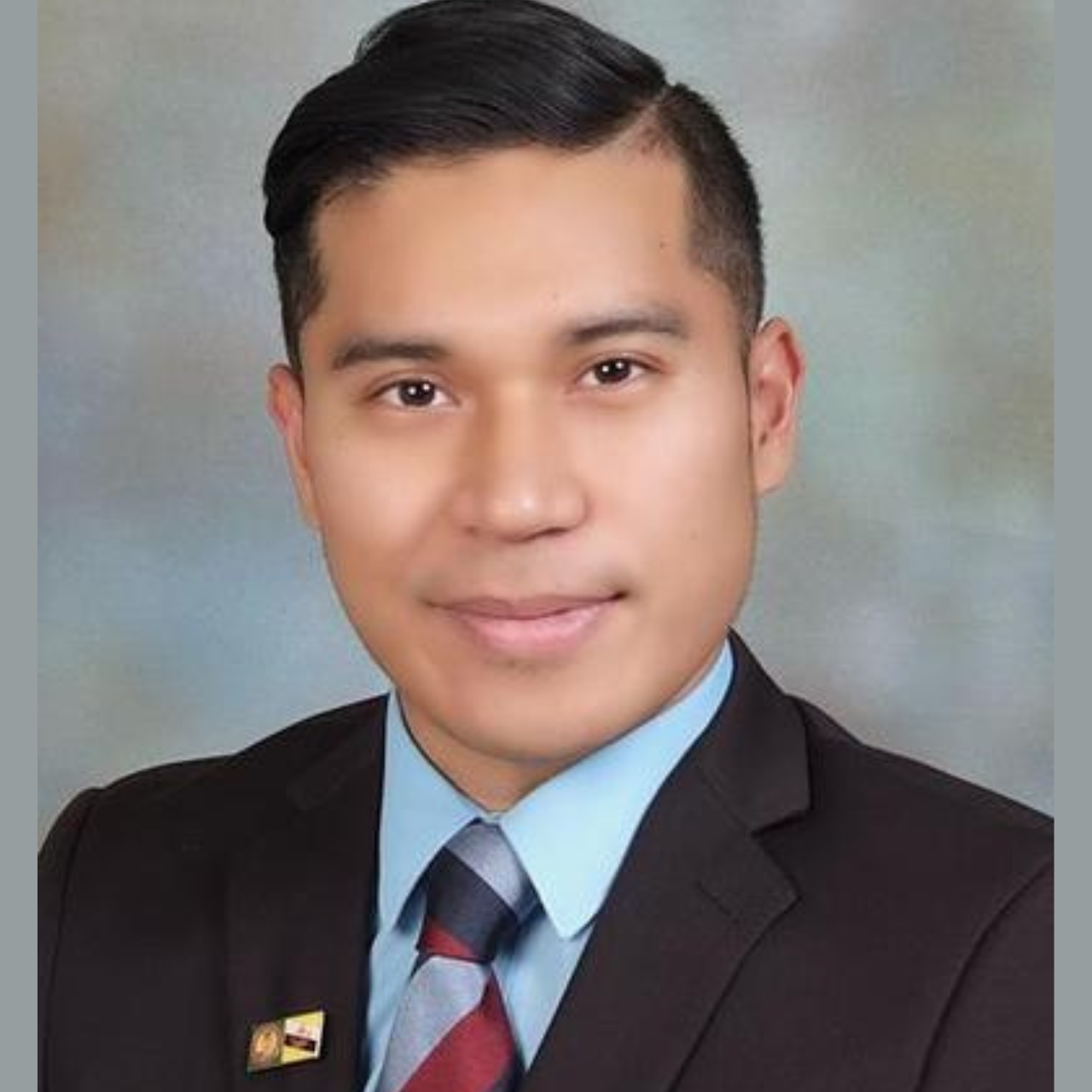
AZIM KASSIM
Azim Kassim is a research officer at the Directorate of Defence Policy, Ministry of Defence, with an extensive experience in bilateral and regional defence diplomacy including under the ambit of the ASEAN Defence Ministers’ Meeting (ADMM) particularly in drafting and subsequently moderating the working-level discussions to reach a consensus on the Bandar Seri Begawan ADMM and ADMM-Plus Joint Declarations in 2021. His multilateralism portfolio includes being representing his beloved nation as the First Committee delegate at the United Nations General Assembly (UNGA) in 2020 and 2021. He holds Master’s Degree in Security, Terrorism and Insurgency from the University of Leeds sponsored through the United Kingdom’s Chevening Scholarship award as well as bachelor’s degree in Politics and International Relations from the United Kingdom.
Created by:

SASHA MATHIEU
Sasha Mathieu is a master’s student in Strategic Studies at the University of Calgary, where her research focuses on maritime security, critical undersea infrastructure (CUI), and the governance and resilience of undersea cables in contested environments. A recipient of the Canada Graduate Scholarship, the Department of National Defence’s MINDS Supplement, and the Arthur J. E. Child Master’s Scholarship, her research examines how states and regional institutions can strengthen the protection, repair, and resilience of critical maritime infrastructure amid growing geopolitical competition. She is the winner of the 2026 European Commission Schuman Challenge and the 2026 Global Affairs Canada International Policy Ideas Challenge, where her work examined CUI resilience through comparative case studies of the Baltic Sea and Taiwan Strait. Her recent research has also explored the factors affecting undersea cable restoration timelines across cases in Europe, the Indo-Pacific, and the Middle East. Professionally, Sasha has worked across several Government of Canada departments, including Innovation, Science and Economic Development Canada and Fisheries and Oceans Canada, contributing to policy and strategic analysis on science diplomacy, defence and security, and international oceans policy. She is also a Junior Fellow with Arctic360 and has held multiple student leadership roles, including with the Strategic Studies Students’ Consortium, where she was awarded a Department of National Defence grant for a proposal examining the future of Canada-United States defence relations from a youth perspective. Sasha previously graduated as valedictorian from the University of Ottawa with an Honours bachelor’s degree in International Studies and Modern Languages.
Created by:
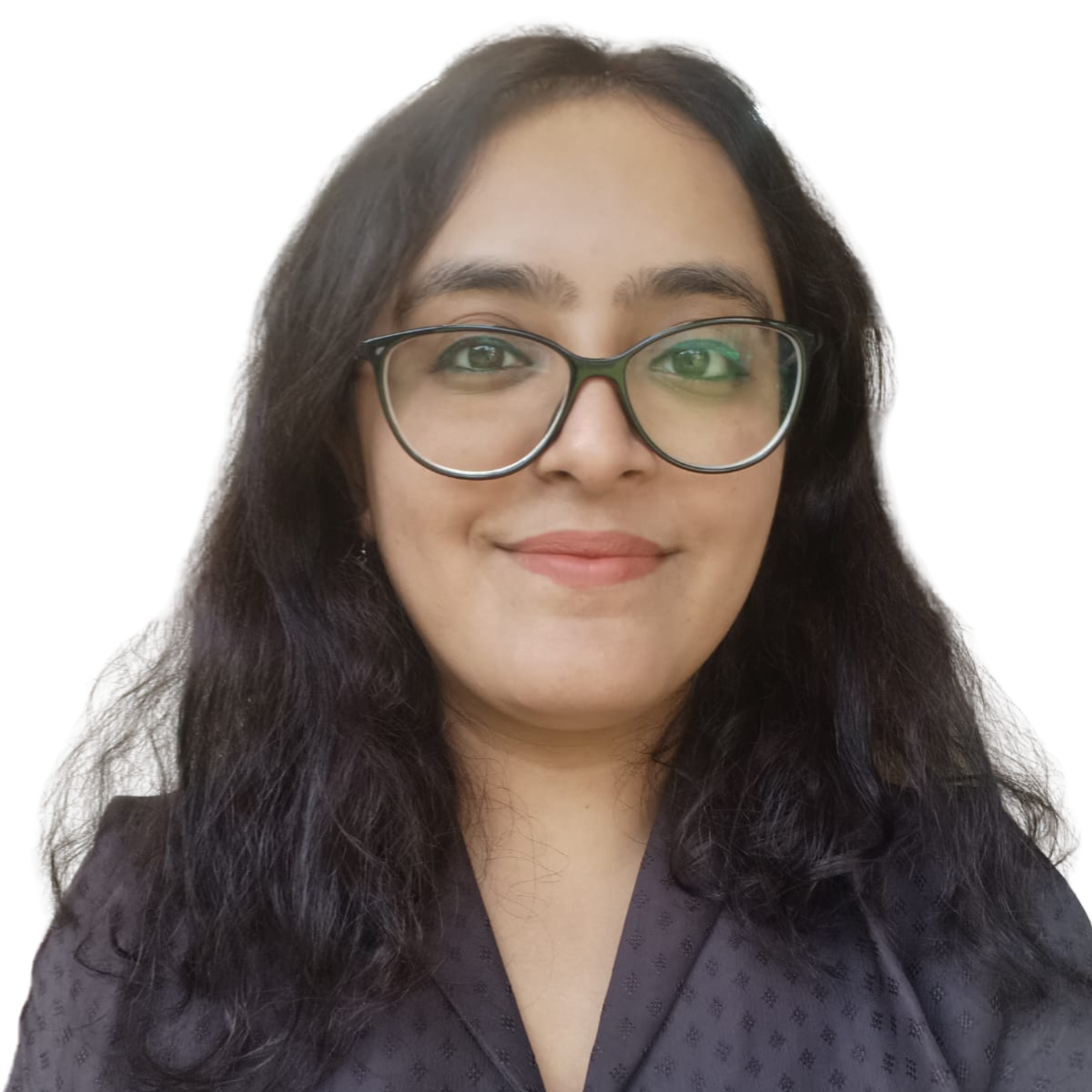
EERISHIKA PANKAJ
Eerishika Pankaj is the Director of New Delhi based think-tank, the Organisation for Research on China and Asia (ORCA), which focuses on decoding domestic Chinese politics and its impact on Beijing’s foreign policymaking. She is also the Convenor of ORCA’s Global Conference on New Sinology (GCNS), which is India’s premier dialogue driven China conference and South Asia’s largest gathering of Sinologists. She is also an Editorial and Research Assistant to the Series Editor for Routledge Series on Think Asia; a Young Leader in the 2020 cohort of the Pacific Forum’s Young Leaders Program; a Commissioning Editor with E-International Relations for their Political Economy section; a Member of the Indo-Pacific Circle and a Council Member of the WICCI’s India-EU Business Council. In 2023, she was selected as an Emerging Quad Think Tank Leader, an initiative of the U.S. State Department’s Leaders Lead on Demand program. She was recognised as a youth icon on India’s first 25 under 25 List for policy and politics in 2022 by Young India Foundation.
Created by:

HREE SAMUDRA
Hree P. Samudra is an Indonesian policy researcher working at the intersection of strategic risk reduction, military artificial intelligence, nuclear policy, and Indo-Pacific security. She has served as a Strategic Risk Reduction Fellow at the Asia-Pacific Leadership Network (APLN) and as a CTBTO Research Fellow, contributing to work on nuclear risk reduction, verification, China-US strategic competition, and regional security cooperation. Hree chairs Working Group 1 of the 2026–2027 Assembling Peace Through Dialogue initiative, a collaborative project involving BASIC, RECNA, and HOPE. In this role, she leads cross-regional research on how the memory and consequences of atomic bombing are transmitted across generations and regions. She also serves as Global Projects and Regional Engagement Coordinator on the CTBTO Youth Group Steering Committee. Selected for the second Hague Code of Conduct Youth Group, an international EU-supported initiative convened by the Fondation pour la Recherche Stratégique (FRS), Hree is developing research on how AI-enabled open-source monitoring and commercial satellite imagery could strengthen missile transparency and pre-launch notification. She is also an Erasmus Mundus scholar in the International Master in Security, Intelligence and Strategic Studies, studying across the University of Glasgow, the University of Trento, and Charles University. Her broader research examines how emerging technologies affect crisis stability, verification, human accountability, and regional security governance in the Indo-Pacific.
Created by:
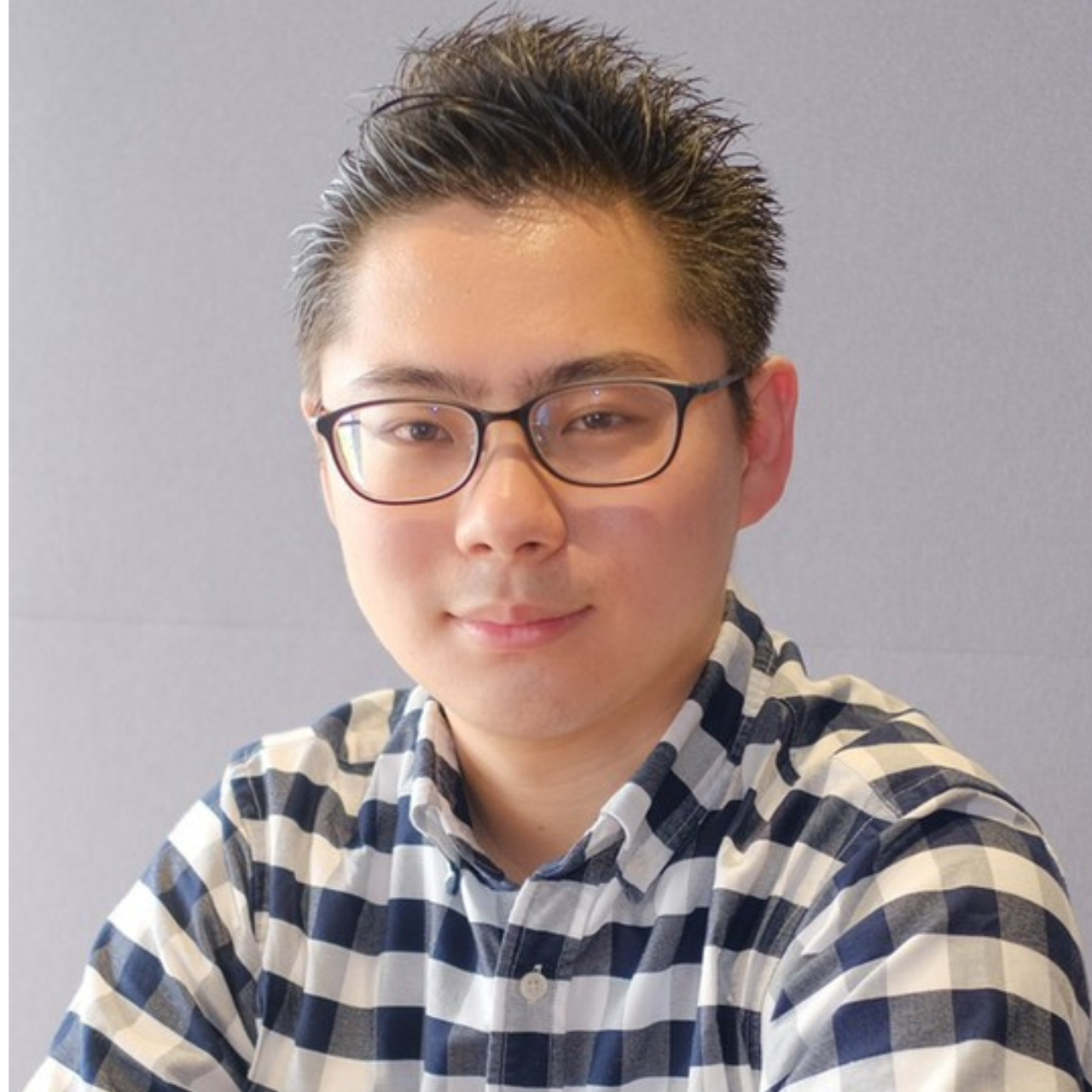
SOICHIRO TEZUKA
Soichiro Tezuka is a master’s student at the Graduate School of Media and Governance, Keio University, and an exchange research student at the Research Center for Advanced Science and Technology (RCAST), The University of Tokyo. His research focuses on international security, NATO’s engagement in the Indo-Pacific, and the growing strategic linkages between European and Indo-Pacific security. His current work examines how NATO allocates attention and resources across competing regional priorities and how it engages Indo-Pacific partners without relying on large-scale military deployments. He is also interested in economic security, maritime security, and gray-zone challenges. Through academic research and policy dialogue, he has examined how capacity building, institutional cooperation, and partnerships can strengthen deterrence and resilience. He has also participated in the Japan-America Student Conference (JASC), where he engaged in policy dialogue on international politics and security with students, experts, and practitioners from Japan and the United States. His broader goal is to connect lessons from Euro-Atlantic security cooperation with practical policy options for strengthening a rules-based, stable, and resilient Indo-Pacific regional order.
Created by:
YUICHI YOSHIDA
Yuichi Yoshida is the inaugural LEAP (Leaders in East Asia for Peace) Fellow at the International House of Japan (I-House). Through the fellowship, he is based at the Asan Institute for Policy Studies in the Republic of Korea. He specialises in Indo-Pacific security. He is particularly interested in naval strategy for small navies, including sea-denial operations and deterrence by detection. At I-House, he examines the security implications of emerging technologies, particularly artificial intelligence and drones; at Asan, his work centres on Japan–South Korea relations and Japan–US–South Korea security cooperation. His current projects include an Asan report chapter comparing regional responses to China’s maritime expansion, commentaries on artificial intelligence for I-House, and research on satellite- and drone-based intelligence, surveillance and reconnaissance (ISR) architectures for trilateral security cooperation. Previously, as a Research Fellow at the Japan Institute of International Affairs (JIIA), he worked on Indo-Pacific security and emerging technologies. He planned, organised and participated in Track 1.5 and Track 2 dialogues with regional counterparts, including Japan–India, Japan–Singapore and Japan–India–Viet Nam Track 1.5 dialogues. At a 2024 SIPRI–JIIA workshop, he presented on Philippine security in a potential Taiwan contingency, examining the deterrent benefits and escalation risks of deeper regional security partnerships. Earlier, he served in the Political Section of the Embassy of Japan in Bulgaria, covering diplomacy, defence and energy security. He holds an MSc in EU Politics from the London School of Economics and Political Science and a bachelor’s degree in Policy Management from Keio University.
Created by: